Test and tag in Australia: how often and who can do it
What AS/NZS 3760 asks for, the usual intervals from 3 months to 5 years, who's allowed to test, what the tag and records must show, and how the states differ.
What test and tag is
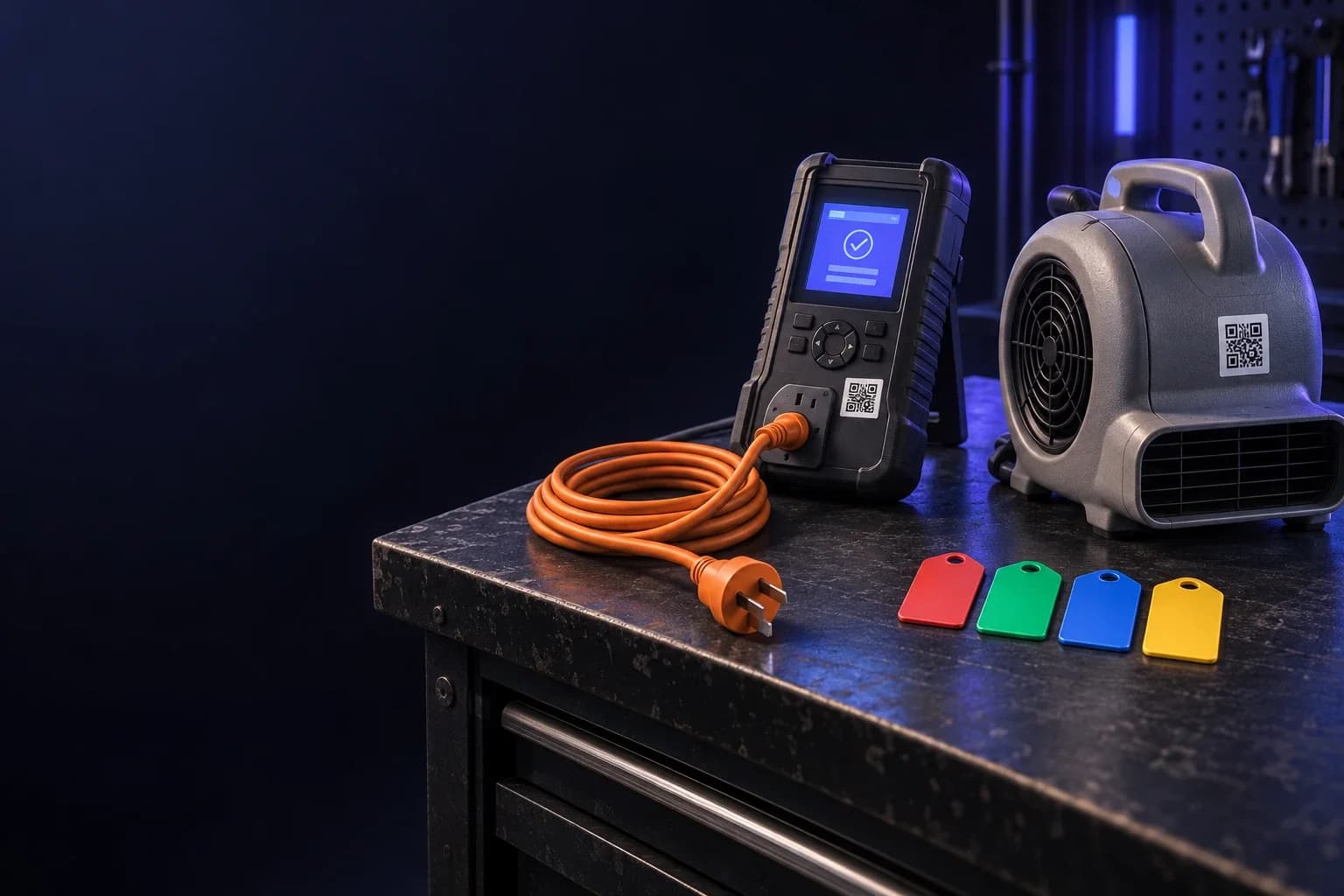
“Test and tag” is how Australian workplaces check that plug-in electrical equipment is still safe to use. A competent person looks the item over (the lead, the plug, the casing), tests it with a portable appliance tester, and attaches a tag showing the result and when it's next due.
The standard behind it is AS/NZS 3760:2022, In-service safety inspection and testing of electrical equipment and RCDs. It replaced the 2010 edition in 2023. On its own a standard isn't law: each state's work health and safety laws are what call it up, which is why the rules differ a little from state to state.
How often
The standard has a table of intervals that depends on where and how the equipment is used. The harder the life, the more often it's tested. These are the common rows:
| Where it's used | How often |
|---|---|
| Hire equipment | Inspect before every hire; test and tag every 3 months |
| Construction and demolition sites (AS/NZS 3012) | At least every 3 months |
| Factories, workshops, repair and maintenance | Every 6 months |
| Commercial cleaning equipment | Every 6 months |
| Hostile places: flexing, rough handling or harsh conditions | Every 12 months |
| Residential-type places, such as hotels and halls | Every 2 years |
| No flexing, no rough handling, not hostile (an office) | Every 5 years |
| Repaired, serviced or second-hand equipment | After repair, or when it goes back into service |
Your tester will tell you which row fits your gear. Equipment that moves between jobs, gets coiled and uncoiled and works in wet or dusty places usually sits in one of the more frequent rows.
Who can do it
Testing must be done by a competent person. That means a licensed electrician, or someone who has been trained and assessed as competent to use a pass/fail portable appliance tester. Plenty of businesses use an outside tester; some train their own people.
In Queensland, the tag can only be attached by the competent person who did the test.
What the tag and the records need to show
Under the model work health and safety regulations, the record of a test needs:
- the name of the person who tested it,
- the date it was tested,
- the result, and
- the date the next test is due.
Keep the record until the item is next tested, or until it's permanently removed from the workplace or disposed of. It can be a tag, a logbook, a database or a register. A register is the safer choice, because it survives a tag being damaged or torn off.
The tag itself should be durable, water resistant, non-metallic, not reusable, and bright and easy to spot. It can be colour coded.
Coloured tags
Many testers use a different tag colour for each quarter of the year, so an out-of-date tag stands out from across the room. The scheme most widely used in Australia is:
- RedDec – Feb
- GreenMar – May
- BlueJun – Aug
- YellowSep – NovNow
Colour coding is optional, and your tester may use their own colours.
Safety switches (RCDs)
Portable safety switches (RCDs) protect people from electric shock, so they need checking too. Under the model regulations they must be tested regularly by a competent person. Portable RCDs should also get a quick push-button test by whoever uses them, before use each day. Keep a record of each test except the push-button ones.
When something fails
- Take it out of use straight away.
- Attach a warning label (an out-of-service or danger tag) so nobody uses it by mistake.
- Have it repaired by a competent repairer, or dispose of it. Whoever is responsible for safety on site decides which.
State by state, briefly
- NSW, ACT, SA, Tasmania, WA and the NT follow the model WHS regulations. Equipment used in hostile environments must be tested, and construction sites follow AS/NZS 3012.
- Queensland has its own Electrical Safety Regulation 2013. It sets intervals by the kind of work: for example, “service work” (cleaning is the example it gives) means testing every year or using the equipment on a safety switch, and construction work follows AS/NZS 3012.
- Victoria relies on the general duty in its Occupational Health and Safety Act. Testing to AS/NZS 3760 is accepted practice, and WorkSafe Victoria's industry standard for construction sites calls up AS/NZS 3012.
Keeping track without the paperwork
The hard part usually isn't the testing. It's knowing what's due, finding the items (often out on jobs), and keeping the records straight afterwards. A few habits help:
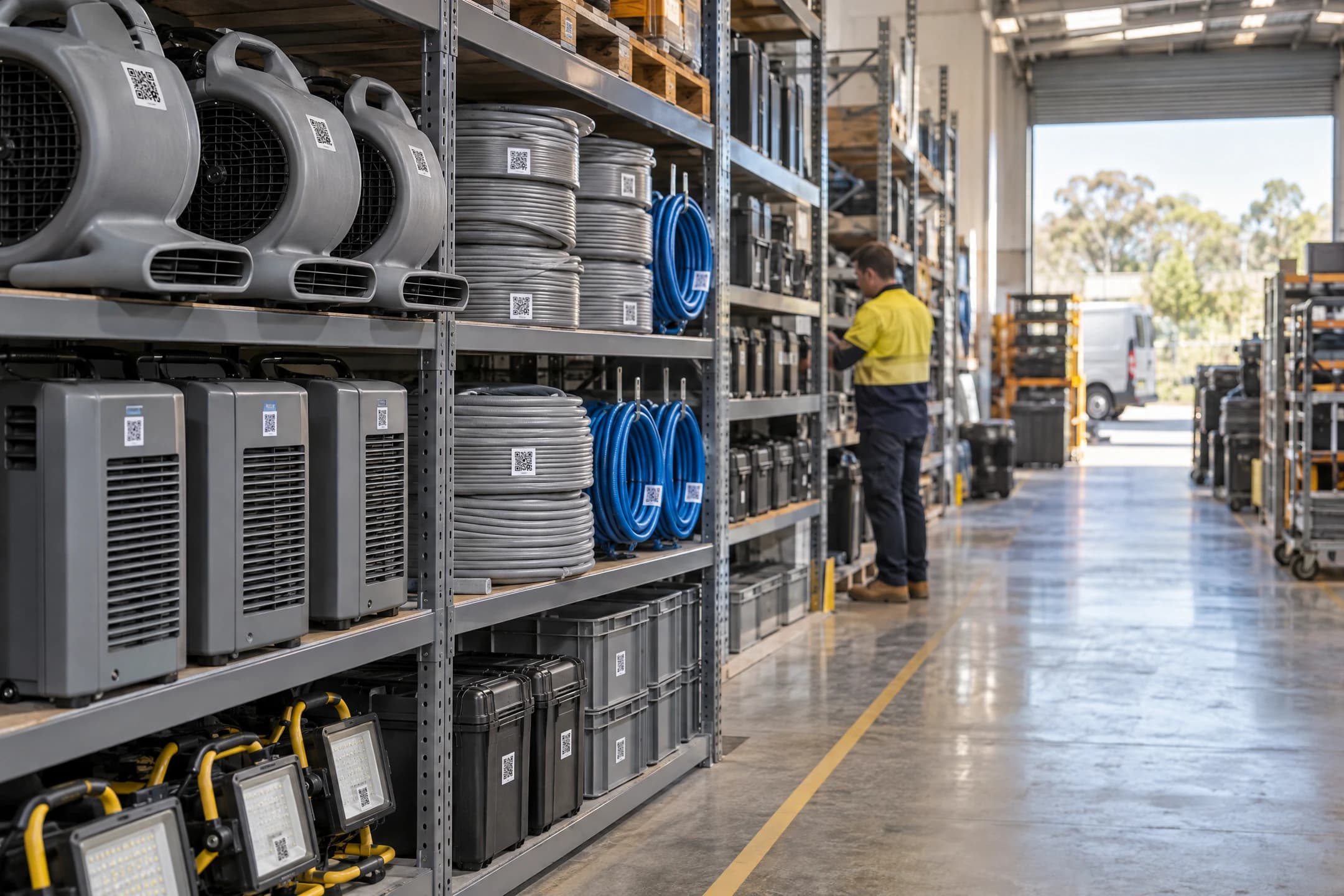
- Give every item its own number and sticker, so a test record always points at one item.
- Keep every due date in one list, and sort it by month so test days can be planned.
- Before a test day, pull together a list of what's due and where it is now.
- After a test day, update only the items that were actually tested.
- Keep the tester's own report with the records for that day.
That's exactly what test & tag in Stoqro does: it records your test & tag to AS/NZS 3760, reminds you before tags run out, and records a test day for just the items you tick.